
Investment thesis
We invest where ocean health and economic value compound together.
Pre-Seed through Series A, globally. We back technical founders building durable businesses across six verticals, each chosen because the unit economics, the science, and the policy tailwinds finally align.
The ocean opportunity
Ocean alpha: why ocean health is a growing investment trend.
The ocean is one of the largest economic and innovation frontiers on Earth: a $2.5–3 trillion economy that underpins global trade, data, food, energy, and climate. Ocean investing is emerging as its own asset class, and the opportunity to build the next generation of category-defining companies is now.
The backbone of the global economy.
- ~90%of global trade moves by ship, and fleets are actively investing in alternatives to volatile fossil fuels, opening one of the largest decarbonization markets of the decade.
- ~99%of international data travels through subsea cables. The entire digital economy rides on ocean infrastructure.
- 3.3Bpeople rely on seafood as a key source of protein.
- 2.5×growth in the ocean economy since 1995, outpacing global GDP.
A frontier of discovery and new industries.
~91% of marine species remain undiscovered, and bioprospecting is already producing leads for Alzheimer's, skin cancer, and anti-biofouling chemistries. Less than 10% of the ocean is actively monitored today, creating room for entirely new industries that protect legal commerce and unlock the value in what's beneath the surface.
A new generation of tools, including underwater drones, sensors, satellites, and AI, is opening category-defining markets in ocean data, intelligence, biomedicine, and biomaterials.
A climate engine, and a climate solution.
- 25–30%of annual carbon emissions are absorbed by the ocean, and startups are scaling nature-based restoration and engineered CDR to amplify this natural advantage.
- 10×more carbon stored per acre in mangroves and seagrasses than in terrestrial forests.
- 18×of global energy demand can be met by offshore wind alone, colocatable with wave and floating solar, and increasingly powering offshore AI data centers.
Food, water, and the minerals of the energy transition.
Aquaculture is the fastest-growing food production sector globally, projected to supply ~60% of seafood by 2030. Desalination already provides freshwater to 300M people, and the 37 billion gallons of brine produced daily can be mined for magnesium and other critical minerals essential to the electrification of cars, ships, planes, and machinery.
Investing in ocean innovation is investing in the future of global food, water, and minerals security.
A fast-growing asset class.
Ocean investing has grown 7× over the last five years and is following a trajectory similar to biotech in the 2010s, emerging as its own stand-alone field with dedicated capital. Offshore renewable energy, sustainable aquaculture, shipping decarbonization, ocean data platforms, and plastic alternatives are fast-growing markets attracting global investors focused on resilience, intelligence, and circularity.
The traditional blue economy extracts, depletes, and pollutes. The regenerative blue economy innovates, regenerates, and scales. The shift is already underway.
Six verticals
Where the ocean meets the market.

Maritime Decarbonization
Efficiency in maritime industries, offshore renewable energy, green shipping, electrification, and ports.
Market signal
Global shipping is now subject to binding emissions targets, triggering a surge in demand for carbon capture, fuel-switching technologies, and continuous emissions monitoring.

Minerals and Chemicals
Alternative e-fuels, bio-chemicals, and critical minerals extracted from seawater and brine — without mining.
Market signal
Rising demand for critical minerals and low-carbon fuels is outpacing terrestrial supply, driving investment in seawater and brine extraction as a scalable, lower-impact alternative.

Circular Economy
Plastic reduction, alternative packaging, and ocean-derived sustainable products.
Market signal
Bans on single-use plastics and stricter corporate mandates are accelerating the shift toward circular, ocean-safe materials across consumer and industrial supply chains.
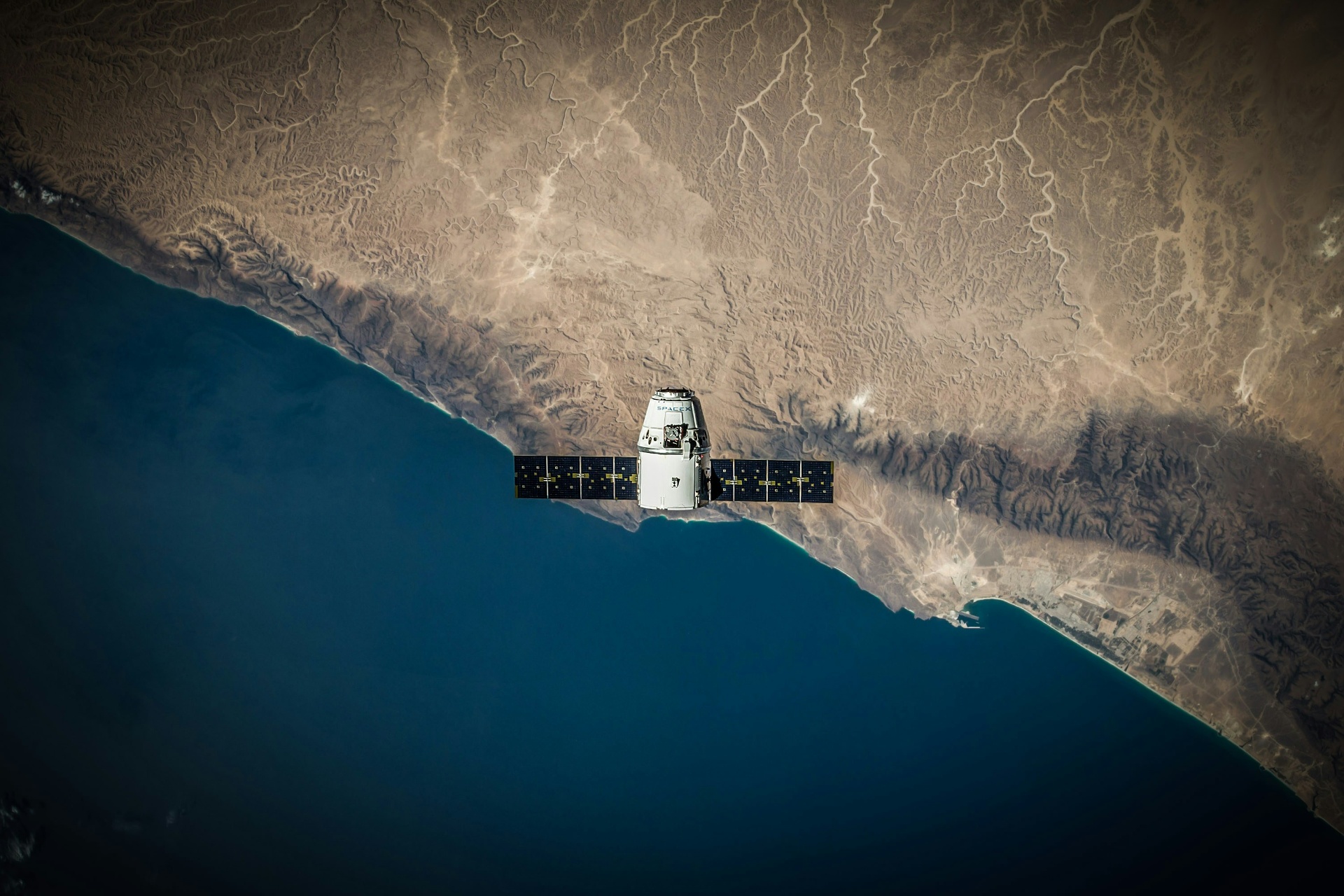
Ocean Data
Big data and software, AI/ML, and sensors that bring resource-light efficiencies to big ocean industries.
Market signal
With less than 7% of the ocean regularly monitored, governments and industries are now investing heavily in satellite, sensor, and AI intelligence to enable real-time decision-making.
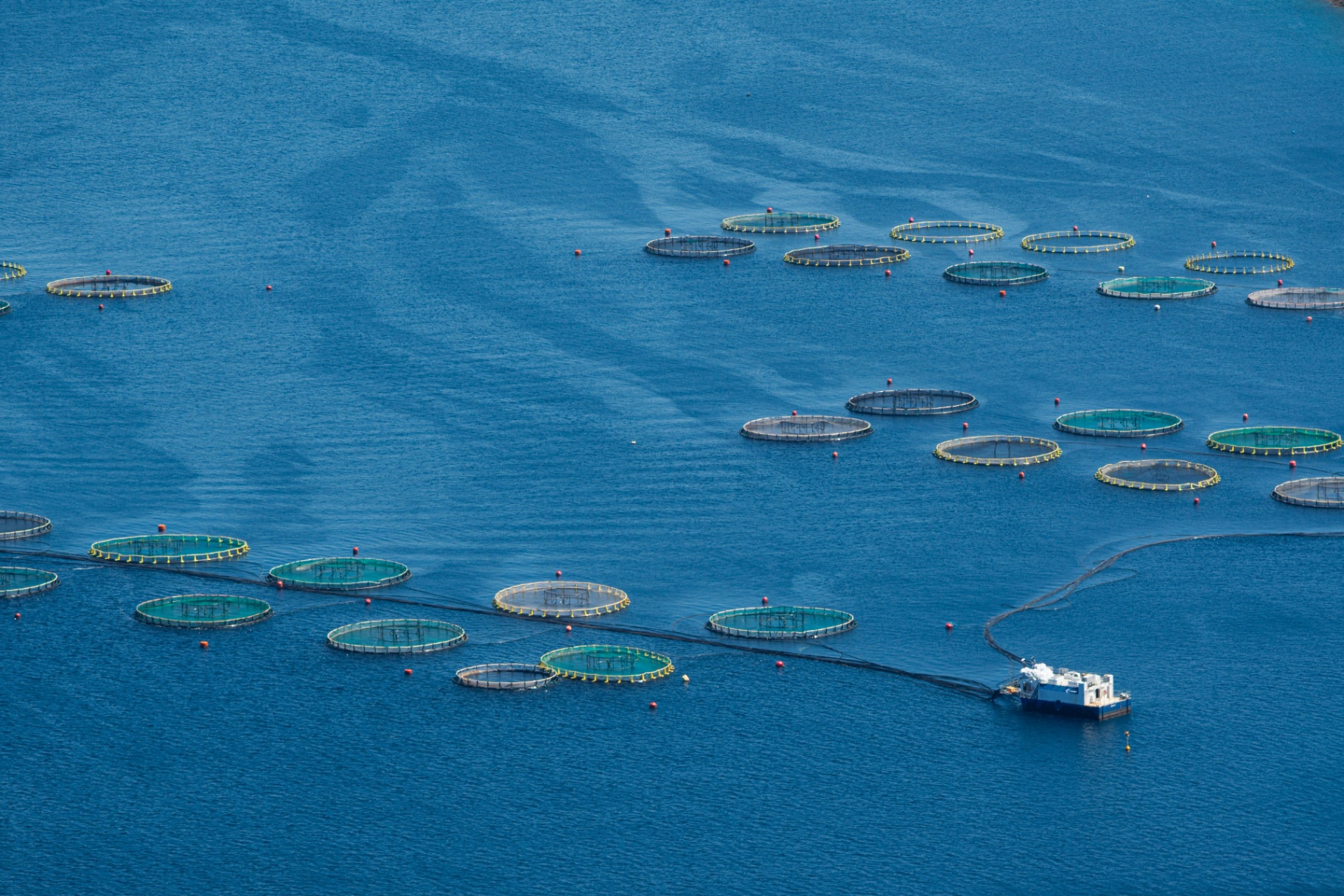
Aquaculture Tech
Sensors, data, sustainable feed, operational efficiencies, animal health, and robotics for aquaculture.
Market signal
As farmed seafood overtakes wild-catch globally, producers are racing to adopt automation, alternative feeds, and biotech to scale sustainably.
Coastal Resilience
Flood intelligence, adaptation infrastructure, parametric insurance, and nature-based defenses for the coastlines underwriting the next century of property risk.
Market signal
Carrier retreat from high-risk coastal states and NFIP reform are accelerating demand for flood intelligence, engineered defenses, and parametric coverage.